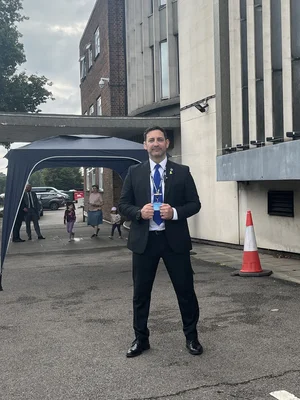
Why some questions need a person on the ground
Not every investigative question can be answered through records or surveillance. Sometimes the missing information concerns a location, an event, a business or an individual’s possible connection to an address. A field enquiry is a defined, lawful attempt to establish relevant facts through observation, appropriate contact or local verification. The method may appear simple, but careless enquiries can contaminate evidence, alert the subject unnecessarily or intrude on people who have no connection to the matter.
A useful enquiry starts with a narrow objective
Before an operator attends, the client should explain the underlying purpose and the precise fact to be tested. Is the business trading? Is a named address still in use? Can a relevant contact route be confirmed? What information can be sought from publicly accessible sources, and what contact is justified? A clear brief also identifies restrictions, sensitivities and any relevant safety issues. The operator should not improvise an expansive investigation merely because they are already at the location.
The difference between asking and establishing
A person’s answer is information, not necessarily verified fact. A neighbour may be mistaken; a receptionist may not know; a public-facing employee may have incomplete information. Investigators should record who supplied a statement where lawful and appropriate, the context in which it was given and whether it was corroborated. Reports should avoid converting “someone said” into “it is established”. If an enquiry is inconclusive, that is a legitimate result. It is better than manufacturing certainty from a weak lead.
Discretion, fairness and boundaries
Professional field enquiries require an assessment of privacy, data protection, potential harassment and the effect on third parties. Operators should not impersonate officials, falsely claim legal powers, pressure individuals into disclosure or obtain access through unlawful deception. The fact that a question can be asked does not mean it should be. Particular care is required in family disputes, sensitive litigation and matters involving vulnerable people. Proportionality is a practical discipline as well as a legal consideration.
How FIND Enquire works
FIND Enquire is designed for scoped local enquiries that require competent field judgement and accountable reporting. FIND assesses the legitimacy and purpose of the request, defines the questions and coordinates suitable operators. This avoids treating a doorstep conversation as an open-ended intelligence-gathering exercise. For agencies and professional clients, the managed model also supports consistent instructions across different regions. The outcome may be a confirmed fact, a qualified lead or an explanation of why verification was not possible; each has value when reported accurately.
Next steps
Have a legitimate instruction that needs specialist field support? Contact FIND to discuss the requirement or submit a task request. Experienced operators and professional organisations interested in joining the network are also welcome to get in touch.